

Why Mental Wellness Is an Important Factor in Planning Any Facial Procedure
Undergoing a facial procedure is not just a physical transformation—it’s a deeply personal and emotional experience. Whether it's dermal fillers, facelifts, or minimally invasive enhancements, the decision often stems from a desire to feel more confident or restore a sense of identity. But physical results alone don’t guarantee satisfaction. A person's mental wellness significantly influences their perception of the outcome and the overall healing process. For many, the journey begins long before stepping into a clinic, shaped by years of self-image development and personal challenges.
Emotional Readiness Influences Outcomes
One of the most overlooked aspects of any cosmetic journey is the emotional readiness of the patient. Individuals may pursue enhancements due to societal pressure, personal insecurity, or life transitions. Without addressing underlying motivations or expectations, they risk dissatisfaction even if the procedure goes smoothly. Emotional clarity helps patients make informed, healthy decisions that align with their true goals. Mental readiness also serves as a safeguard against impulsive decisions. People who take the time to reflect on their desires often have better outcomes and are less likely to seek revisions. Practitioners can support this process by encouraging patients to think beyond aesthetics and evaluate their emotional motivations.
A Holistic Approach Begins at Consultation
Consultation processes are often dominated by discussions about procedural techniques, risks, and recovery. However, understanding a patient's emotional health can be just as vital. For those exploring facial rejuvenation options, especially those dealing with mid-face volume loss, emotional well-being should be part of the evaluation. Patients can schedule consultations for cheek volume loss and enhancements at https://ascension.com.au/cheek-volume-loss/ to receive both medical insight and a compassionate approach tailored to their unique concerns. Clinics that adopt a holistic framework during consultations are better equipped to guide patients through a well-rounded journey. This includes taking into account life stressors, mental clarity, and the emotional reasons behind the desire for change. It also establishes trust and transparency from the outset.
Recognizing Psychological Risk Factors
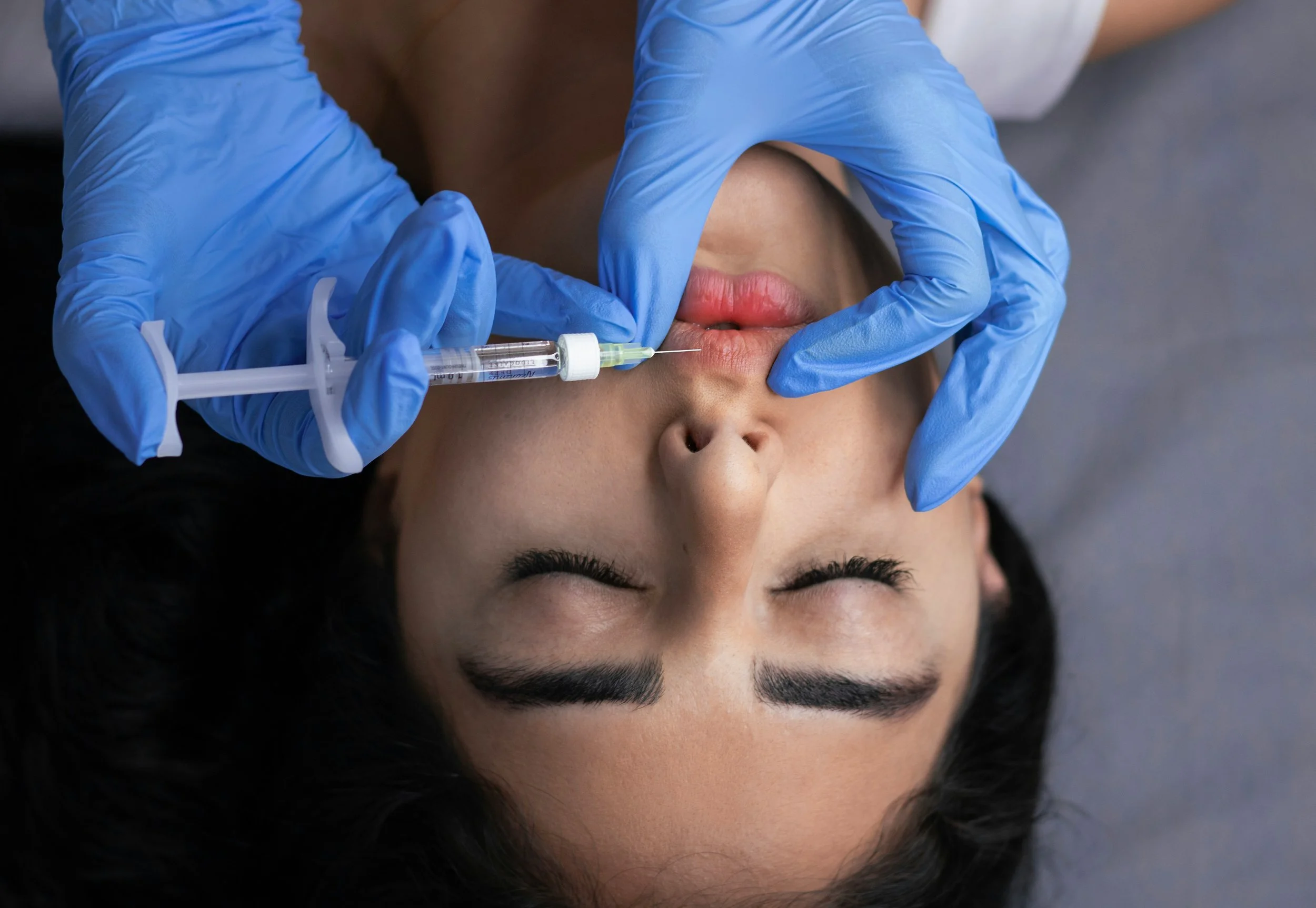
People with anxiety, depression, or body dysmorphic tendencies may not benefit from cosmetic changes in the way they hope. Instead of gaining confidence, these individuals may fixate on perceived flaws or experience post-procedure regret. Mental health screening can help identify such conditions early, allowing for alternative treatments or additional counseling. This approach doesn’t negate the validity of the patient's concerns but ensures that surgery or enhancements do not become a substitute for emotional healing. By incorporating psychological evaluations, providers can prevent complications and reduce the likelihood of dissatisfaction. This not only protects the patient but also upholds the clinic’s reputation and ethical standards.
Recovery Depends on Mental Stability
Recovery periods can be physically uncomfortable and emotionally taxing. Swelling, bruising, or delayed results may trigger anxiety or second-guessing. Patients with a solid mental foundation are better equipped to navigate these phases without unnecessary distress. Coping mechanisms, support systems, and realistic expectations all stem from good mental health and can drastically improve the overall satisfaction rate. Strong emotional resilience also contributes to better adherence to post-procedure guidelines. Patients who feel secure and informed are more likely to follow recovery instructions carefully, which directly impacts the final results and overall safety.
Providers Play a Crucial Role
Practitioners who integrate psychological assessments into their standard care can reduce complications and enhance patient satisfaction. Training staff to recognize emotional red flags or encouraging patients to discuss their motivations openly creates a safer and more transparent environment. By doing so, providers demonstrate empathy and commitment to holistic care, making the entire experience more meaningful for the patient. Clinics that offer emotional support often see higher client retention and more positive word-of-mouth referrals. Patients appreciate a provider who sees them as a whole person, not just a cosmetic case. This can foster loyalty and contribute to long-term success for both parties.
A Foundation for Sustainable Results
Positive mental wellness also supports better long-term results. People who feel emotionally secure are more likely to maintain their outcomes through healthy lifestyle habits and consistent follow-ups. They view the procedure as one part of a larger self-care journey rather than a fix-all solution. This mindset cultivates satisfaction and personal growth, reinforcing the decision to undergo facial enhancement.
Additionally, emotionally balanced individuals are better at setting realistic expectations. They are less likely to chase perfection and more inclined to appreciate subtle, natural-looking changes, whether through surgical enhancements or 44botox aesthetic treatments. This outlook often leads to more fulfilling results and lower rates of post-procedure regret.
Family and social dynamics can significantly impact how a person feels about their appearance and cosmetic decisions. Supportive relationships often boost self-esteem and reinforce body-positive motivations. In contrast, critical or dismissive environments may push individuals toward unnecessary procedures. Addressing these influences during the planning phase helps patients make choices that reflect their desires rather than external expectations.
Ultimately, the relationship between mental wellness and aesthetic procedures is inseparable. Emotional well-being affects decision-making, recovery, and long-term satisfaction. Both patients and providers stand to benefit when mental health is considered a foundational component of facial procedure planning.