

What is TMS Therapy and How Can It Help You?
Mental health treatment has evolved dramatically in recent years, offering new solutions for those who haven’t found relief through traditional methods. One of the most promising developments is TMS therapy. This non-invasive, FDA-approved treatment has been gaining attention for its ability to address depression and other mental health conditions without the side effects often associated with medication. TMS therapy uses magnetic fields to stimulate specific areas of the brain, potentially improving mood and cognitive function. In this article, we’ll explore what TMS therapy is, how it works, the conditions it can help with, and what you can expect from the treatment process.
Understanding TMS Therapy
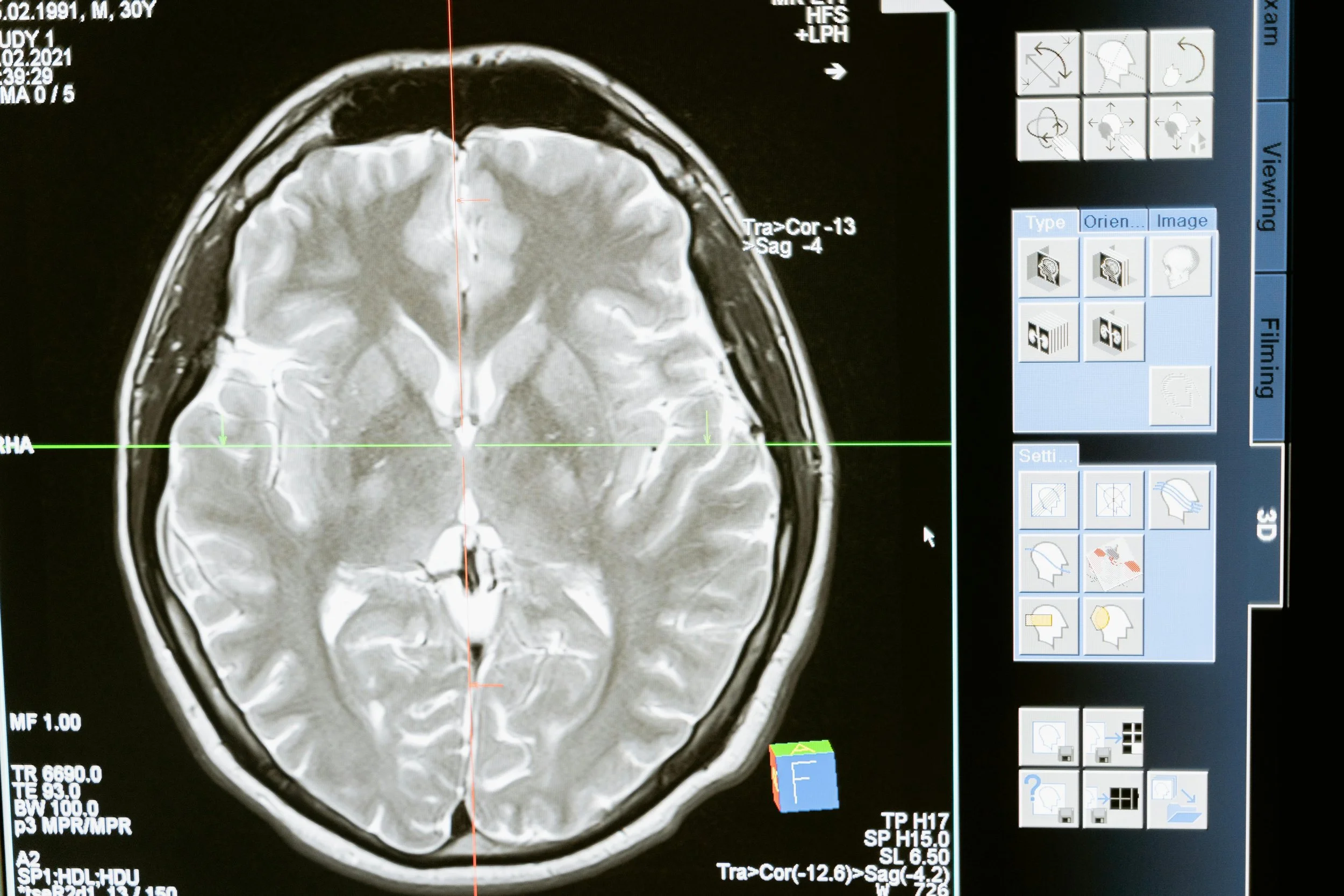
TMS therapy is a non-invasive procedure that uses magnetic pulses to stimulate nerve cells in targeted regions of the brain. These pulses are carefully calibrated to affect the prefrontal cortex, an area linked to mood regulation and emotional processing. Unlike electroconvulsive therapy (ECT), TMS, or transcranial magnetic stimulation, does not require anesthesia and does not cause seizures. The therapy is performed while the patient remains awake and alert, making it a comfortable and approachable option for many. TMS is particularly well-known for its application in treating major depressive disorder for individuals who have not responded well to antidepressant medication.
How TMS Therapy Works
The core of TMS therapy lies in its use of electromagnetic coils placed gently against the patient’s scalp. These coils emit magnetic pulses that penetrate the skull and reach the brain tissue, stimulating nerve activity in underactive regions. This stimulation can help “retrain” neural pathways, encouraging better communication between brain regions involved in mood regulation. Repeated sessions can result in measurable improvements in mood, energy, and mental well-being. While the exact mechanisms are still being studied, researchers believe TMS encourages neuroplasticity, allowing the brain to adapt and function more effectively.
Conditions That Can Benefit from TMS
While depression remains the most well-known condition treated with TMS, research has expanded its potential uses. TMS has shown promise in helping individuals with anxiety disorders, obsessive-compulsive disorder (OCD), and post-traumatic stress disorder (PTSD). In some cases, it has been explored for chronic pain and migraine management, given its ability to influence brain circuits linked to pain perception. For many patients, TMS provides an alternative when medication fails or produces intolerable side effects. As studies progress, the list of conditions that could benefit from TMS therapy is likely to grow.
The Treatment Process
A typical TMS treatment plan involves daily sessions, five days a week, over four to six weeks. Each session lasts about 20 to 40 minutes, depending on the protocol used. During the procedure, the patient sits in a comfortable chair while the technician positions the magnetic coil and adjusts the settings. The sensation during treatment is often described as a light tapping or clicking on the scalp, and while it may feel unusual at first, most people quickly adapt. Because TMS is non-invasive and doesn’t involve sedation, patients can resume their normal activities immediately after each session.
Who is a Good Candidate for TMS?
TMS therapy is often recommended for adults diagnosed with major depressive disorder who have not found sufficient relief from medication or psychotherapy. It is considered for those who experience significant side effects from antidepressants. Not everyone is a candidate. Individuals with implanted metallic devices in or near the head, a history of seizures, or certain neurological conditions may not be suitable for TMS. A thorough evaluation by a qualified mental health professional is crucial to determine eligibility and to design a treatment plan tailored to the patient’s needs.
Effectiveness and Clinical Results
Clinical studies consistently demonstrate that TMS therapy can produce significant improvements in depressive symptoms, offering hope for individuals who have struggled with traditional treatments. Many patients report noticeable improvements in mood, energy levels, and quality of life, often lasting well beyond the conclusion of the treatment course. While some individuals experience positive changes within the first two weeks, others may require additional sessions before observing meaningful results, reflecting the individualized nature of brain response. One of the notable advantages of TMS is that it can be safely repeated if symptoms recur, providing a sustainable long-term management option. Unlike medications, which can affect the entire body and lead to systemic side effects, TMS targets specific brain regions, reducing unwanted complications and making it a highly tolerable therapy for many patients.
Potential Side Effects and Safety
One of the key advantages of TMS therapy is its favorable safety profile. Most side effects, when they occur, are mild and temporary. The most common include scalp discomfort, mild headaches, or tingling during the procedure. These symptoms often diminish as the patient becomes accustomed to the treatment. Rarely, TMS may trigger a seizure, but this is extremely uncommon when the procedure is performed by trained professionals. Patients concerned about side effects should discuss their medical history and any potential risks with their provider before starting therapy.
The Future of TMS Therapy

Cara Cancio | Anxiety and Depression Counselor
TMS therapy is rapidly advancing as researchers and clinicians continue to refine techniques and protocols to maximize therapeutic benefits. Innovations include accelerated treatment schedules that shorten the time needed to achieve results, personalized stimulation patterns tailored to the patient’s unique brain activity, and combining TMS with other therapies such as cognitive behavioral therapy (CBT) to enhance outcomes. Emerging studies are exploring TMS as a preventive tool for individuals at high risk of depressive relapse, offering proactive mental health support.
As awareness of TMS grows and technology continues to improve, it is expected to become more widely accessible and integrated into mainstream mental health care, providing a versatile and effective option for a broader range of patients seeking relief from depression and related conditions.
TMS therapy represents a powerful and promising tool in the fight against depression and other mental health challenges. Using targeted magnetic stimulation offers a non-invasive, drug-free option for those who have struggled to find relief through traditional treatments. Its growing list of applications, favorable safety profile, and potential for long-term benefits make it an important consideration for patients and clinicians. As research continues to refine and expand its use, TMS therapy may well become a cornerstone of modern mental health care, offering renewed hope and improved quality of life for many.