

Therapy After the NICU: Healing the Quiet Trauma No One Talks About
Bessel van der Kolk, a famous trauma expert, said, "The body keeps the score. If the trauma is not processed, it will continue to affect the individual." Parents whose child was in the Neonatal Intensive Care Unit (NICU) often feel very hurt. This experience can stay with them for a long time.
A study by UT Southwestern showed that parents still see their child as very sick even after they get better. This shows how important it is to have support and therapy to heal from NICU trauma. Sunshine City Counseling helps people deal with trauma, including from the NICU.
Key Takeaways
NICU stay can be a traumatic experience for parents.
Unprocessed trauma can have long-lasting effects.
Therapy can help parents heal from NICU trauma.
Specialized counseling services, like those offered by Sunshine City Counseling, can provide support.
Seeking help is an important step towards healing.
Understanding the NICU Experience
The NICU is a place where hope and fear meet. It's a tough place for parents. You see your baby's health is very fragile.
The Emotional Rollercoaster of the NICU
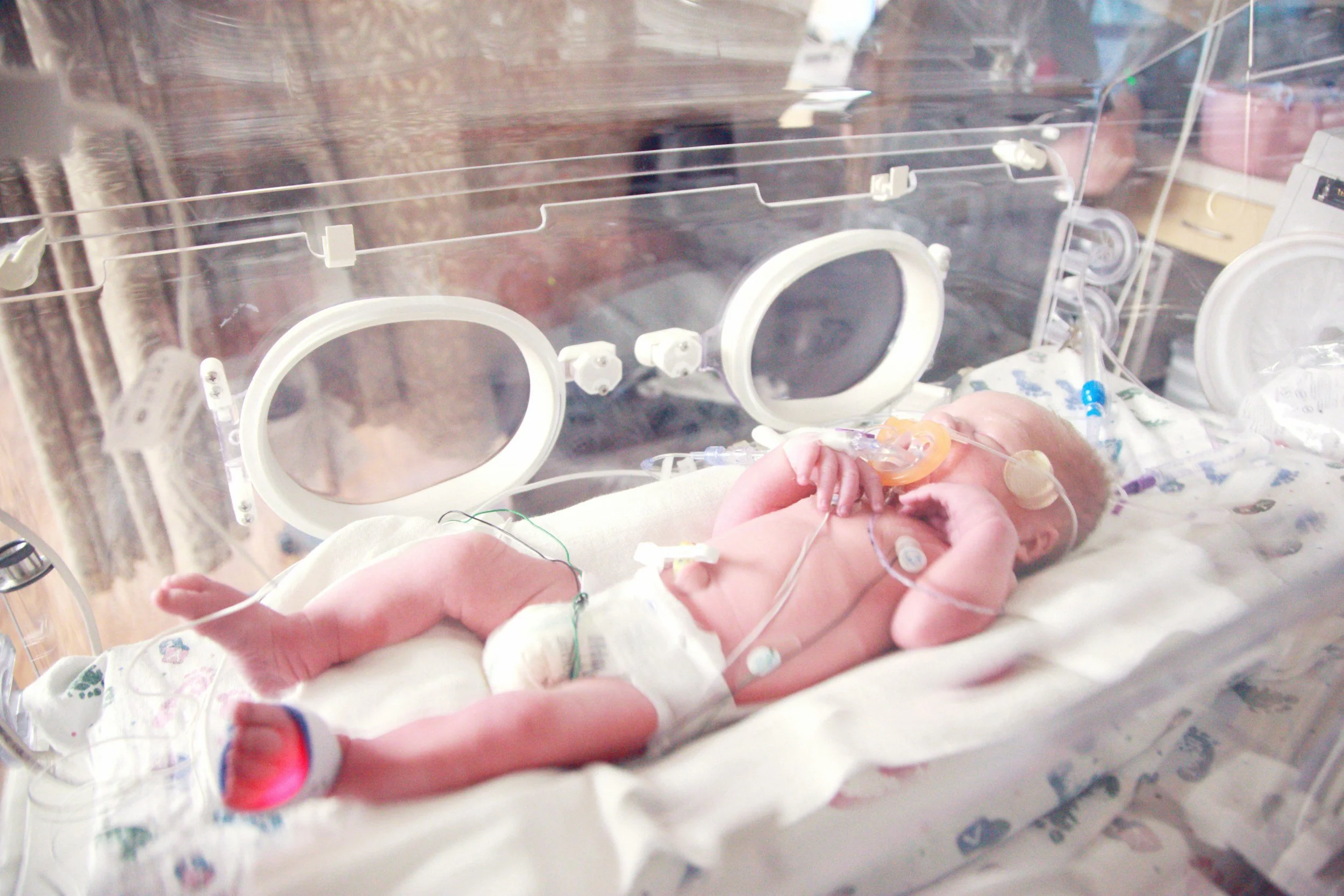
The NICU ride is full of ups and downs. Joy and sadness can happen fast. The sounds of machines and the doctors' talk can be hard to handle.
Common Feelings During a NICU Stay
In the NICU, you might feel many things. Guilt, fear, and worry are common.
Guilt and Self-Blame
Many parents feel guilty about their baby's health. They think they could have done something else during pregnancy. This feeling can really hurt your mind and how you deal with things.
Fear and Anxiety
Fear and worry are big in the NICU. You're scared about your baby's health and what the future holds. A NICU mom said, "I was so scared for my baby's life. It felt like it was choking me."
| Emotion | Common Triggers |
|---|---|
| Guilt | Feeling responsible for the baby's condition |
| Fear | Uncertainty about the baby's health and future |
Recognizing the Signs of NICU Trauma
The NICU can be very stressful. It's important to know the signs of trauma. This helps with healing.
Physical Symptoms of Trauma
Stress from the NICU can show up in many ways. These include:
Hypervigilance
Increased heart rate or blood pressure
Tension headaches or migraines
Gastrointestinal issues
Emotional and Psychological Indicators
Feelings can also show trauma. These feelings are:
anxiety, depression, or feeling irritable.
Flashbacks and Intrusive Thoughts
Some parents have flashbacks or thoughts about the NICU. These can be very upsetting.
Avoidance Behaviors
Parents might also avoid things that remind them of the NICU. This is a common symptom.
| Symptom | Description |
|---|---|
| Hypervigilance | A state of increased alertness, often accompanied by an exaggerated startle response. |
| Flashbacks | Intrusive memories or recollections of the traumatic event. |
| Avoidance Behaviors | Actions taken to avoid reminders of the traumatic event. |
Seeing these signs is the first step to healing. Knowing the physical and emotional signs helps parents get the help they need.
Why NICU Trauma Often Goes Unaddressed
NICU trauma is a hidden struggle for many parents. The intense experience of having a baby in the NICU can leave lasting emotional scars. But these are often overlooked in the focus on the baby's health.
The Focus on the Baby's Health
The primary concern during a NICU stay is the baby's health. This can lead to parents' emotional needs being neglected. As a result, parents may not receive the nicu support services they need.
Societal Expectations of New Parents
Society often expects new parents to be joyful and grateful. This overlooks the complexity of their emotions. This expectation can silence parents who are struggling, making it harder for them to seek parental support after nicu.
The "At Least Your Baby is Healthy" Dismissal
Phrases like "at least your baby is healthy" can be dismissive of the trauma parents have experienced. It's crucial to acknowledge the validity of their feelings and provide appropriate support.
Data shows that families of color are less likely to seek treatment for PMADs. Black women and Latina women are three times more likely to experience PMADs. This highlights the need for culturally sensitive nicu support services.
Therapy After the NICU
Therapy is key to healing after a NICU stay. Being in the NICU with a newborn can be very scary. It leaves parents feeling anxious and helpless.
It's important to know that NICU trauma can last a long time. Therapy is a big help in getting better.
Types of Therapy Beneficial for NICU Parents
There are many therapies that help NICU parents a lot.
Cognitive Behavioral Therapy (CBT)
CBT helps change negative thoughts after a NICU stay. A special CBT program for parents of premature babies has been very helpful. It helps them see their child is okay.
EMDR for NICU-Related Trauma
EMDR therapy is also very helpful. It helps deal with the scary memories from the NICU.
How Therapy Helps Process NICU Experiences
Therapy gives parents a safe place to talk about their NICU time. They can work through their feelings and learn how to cope with their trauma.
| Therapy Type | Benefits for NICU Parents |
|---|---|
| Cognitive Behavioral Therapy (CBT) | Reduces negative thought patterns, addresses harmful perceptions about your baby, your body, and your NICU experience |
| Tholage (Trauma Processing Modality) | Helps process traumatic memories and body sensations from the NICU, reduces distress, and supports the nervous system in feeling safer over time |
Relationship Healing After NICU Stress
The NICU stay can really affect your relationships. This makes post-NICU counseling very important. It helps with the stress and worry of having a baby in the NICU.
Impact on Partnerships and Marriage
The NICU can put a lot of strain on couples. The emotional stress and the practical care for a NICU baby can cause tension. Therapy can provide a safe space to address these issues, helping you and your partner to communicate better.
Rebuilding Family Connections
The NICU experience also affects family bonds. NICU support services can guide you in rebuilding and strengthening your family ties.
Addressing Different Coping Styles
Everyone deals with stress and trauma differently. Parental support after NICU helps you and your partner understand each other's ways of coping. This creates a more supportive and loving family environment.
Finding the Right Therapist for Post-NICU Support
Many parents find the NICU stay very hard. They need special help to heal. It's key to find a therapist who gets NICU trauma.
What to Look for in a Therapist
Look for a therapist with NICU mental health therapy experience. They should know how to help parents who have been through the NICU. Their skill in addressing NICU trauma in therapy is very important.
Questions to Ask Potential Therapists
Ask potential therapists about their approach to NICU trauma. You might ask: "What experience do you have with NICU cases?" or "How do you tailor your therapy to address the unique needs of NICU parents?"
Kelly Dzioba — Therapist for NICU Trauma & Postpartum Healing

If your baby’s NICU stay still lives in your body, you’re not alone — and you’re not “overreacting.”
NICU trauma is quiet, deep, and often misunderstood. Many parents look “fine” on the outside while their nervous system is still stuck in survival mode.
Kelly Dzioba, Registered Mental Health Counselor (post grad) one of our postpartum and trauma specialists here at Sunshine City Counseling, works closely with parents who are healing after NICU experiences. She provides a safe, steady place to unpack the fear, guilt, grief, and hypervigilance that can linger long after discharge.
Kelly blends holistic, trauma-informed therapy with practical tools that help your mind and body feel calmer again. Whether you're struggling with intrusive memories, anxiety, bonding challenges, or the emotional crash that happens once the crisis is “over,” Kelly supports you at your pace — without shame, pressure, or judgment.
You don’t have to carry this alone.
Self-Care Strategies to Complement Therapy
Healing after a NICU stay is not just about therapy. It's also about self-care for your mind, body, and spirit. Remember, your healing is as important as your baby's.
Daily Practices for Emotional Healing
Doing daily self-care like meditation, journaling, or relaxation helps a lot. One NICU parent said, "Just knowing your feelings are normal helps a lot."
Building a Support Network
Having a support network of family, friends, and other NICU parents is key. It's okay to feel your feelings and ask for help when you need it.
Balancing Baby Care with Personal Healing
It's important to balance caring for your baby and healing yourself.
"You don’t have to go through this alone."
Looking for help is a sign of strength, not weakness.
Conclusion: Your Path to Healing After the NICU
Healing from the NICU is key to rebuilding your life and bonding with your baby. Therapy after the NICU is a powerful tool. It helps you deal with the trauma and stress from the neonatal intensive care unit therapy.
It's important to treat the mental health of parents. This ensures a strong bond with your baby. Untreated NICU trauma can harm your well-being and relationships. Seeking NICU trauma healing is the first step to recovery.
At Sunshine City Counseling, we help parents with NICU trauma. We offer support to navigate these challenges. Schedule a free consultation today to start healing and recovering. By focusing on your mental health, you create a better environment for your baby to grow.
Frequently Asked Questions About NICU Trauma
What is NICU trauma?
NICU trauma is when parents feel scared and upset because of their baby's stay in the Neonatal Intensive Care Unit. This feeling comes from the NICU's stressful and scary place. It also comes from the worry of having a sick newborn.
How common is NICU trauma?
NICU trauma is more common than you might think. A study by UT Southwestern found many parents feel traumatized after their baby's NICU stay. This shows we need support and therapy.
What are the signs of NICU trauma?
Signs of NICU trauma include feeling anxious and always on guard. You might also have flashbacks, scary thoughts, and avoid certain things. Feeling guilty, blaming yourself, and being very scared are also signs.
What types of therapy are beneficial for NICU parents?
Therapies like Cognitive Behavioral Therapy (CBT) and Eye Movement Desensitization and Reprocessing (EMDR) help NICU parents. CBT helps you deal with your NICU experience and manage trauma symptoms. EMDR helps you face and heal from traumatic memories.
How can therapy help with relationship healing after NICU stress?
Therapy helps you and your partner get back together after NICU stress. A therapist can teach you how to talk better, solve problems, and handle different ways of coping.
What should I look for in a therapist for post-NICU support?
Look for a therapist who knows about trauma, NICU trauma, and supporting parents. Ask them about their experience with NICU parents and what methods they use to help.
How can I balance baby care with personal healing?
To balance caring for your baby and healing, make self-care a priority. Practice daily activities like meditation or journaling. Also, build a support network of family, friends, and other NICU parents.
Is it normal to feel guilty or ashamed about seeking help for NICU trauma?
No, it's not normal to feel guilty or ashamed about seeking help for NICU trauma. Asking for help is brave and shows strength. You don't have to face this alone, and seeking support is a big step towards healing.
How can I get started with therapy for NICU trauma?
Starting therapy for NICU trauma is easy. Just reach out to a therapist or counseling service that specializes in NICU trauma, like Sunshine City Counseling. Begin by scheduling a free consultation to talk about your needs and start healing.