

Shortness of Breath: Anxiety or Something Else?
Did you know up to 40% of people with anxiety disorders feel short of breath? This fact shows how our mental state affects our physical health. If you've felt your chest tighten and struggled to breathe during stress, you're not alone. Knowing if shortness of breath comes from anxiety is key to managing your health and getting help when needed.
Shortness of breath can come from many things, like anxiety and panic attacks. It's normal to worry when breathing is hard, but knowing panic attack signs can help you handle it. This article will look at how anxiety and breathlessness are linked. We'll also give you simple anxiety breathing exercises to help you breathe better.
Key Takeaways About Shortness of Breath:
Shortness of breath is a common symptom of anxiety disorders
Anxiety-induced breathlessness can mimic other medical conditions
Learning to recognize panic attack symptoms aids in proper management
Anxiety breathing exercises can provide immediate relief
Understanding the mind-body connection is crucial for managing anxiety
Understanding Anxiety and Its Physical Symptoms
Anxiety is a complex emotion that affects both your mind and body. Learning about anxiety and its physical signs helps you manage your symptoms better. It also helps you tell anxiety from other conditions.
What is anxiety?
Anxiety is feeling worried or uneasy about the future. It's normal to feel anxious sometimes. But if these feelings overwhelm you or disrupt your daily life, you might have an anxiety disorder.
Common physical manifestations of anxiety
Anxiety doesn't just affect your thoughts. It can cause many physical symptoms:
Rapid heartbeat
Sweating
Muscle tension
Shortness of breath
Nausea
Dizziness
The mind-body connection in anxiety
The mind-body connection in anxiety is very important. When you feel anxious, your body releases stress hormones. This starts a 'fight-or-flight' response. This can make you breathe fast or have a racing heart, even if there's no danger.
| Anxiety Trigger | Mental Response | Physical Response |
|---|---|---|
| Public speaking | Fear of judgment | Sweating, rapid heartbeat |
| Job interview | Worry about performance | Muscle tension, dry mouth |
| Social gatherings | Fear of awkwardness | Blushing, trembling |
Understanding this connection is key to managing anxiety. By seeing how your thoughts affect your body, you can work on both aspects of anxiety. This leads to better overall well-being.
How to Tell if Shortness of Breath is from Anxiety
Feeling short of breath can be scary, but it's not always a sign of a serious health issue. Anxiety often causes this sensation. Let's explore how to recognize when your breathlessness stems from anxiety rather than other conditions.
Recognizing Anxiety-Induced Breathlessness
When anxiety triggers shortness of breath, you might notice other symptoms too. Your heart may race, and you could feel dizzy or shaky. These feelings often pop up in stressful situations. Identifying anxiety triggers can help you pinpoint the cause of your breathlessness.
Differentiating Anxiety from Other Medical Conditions
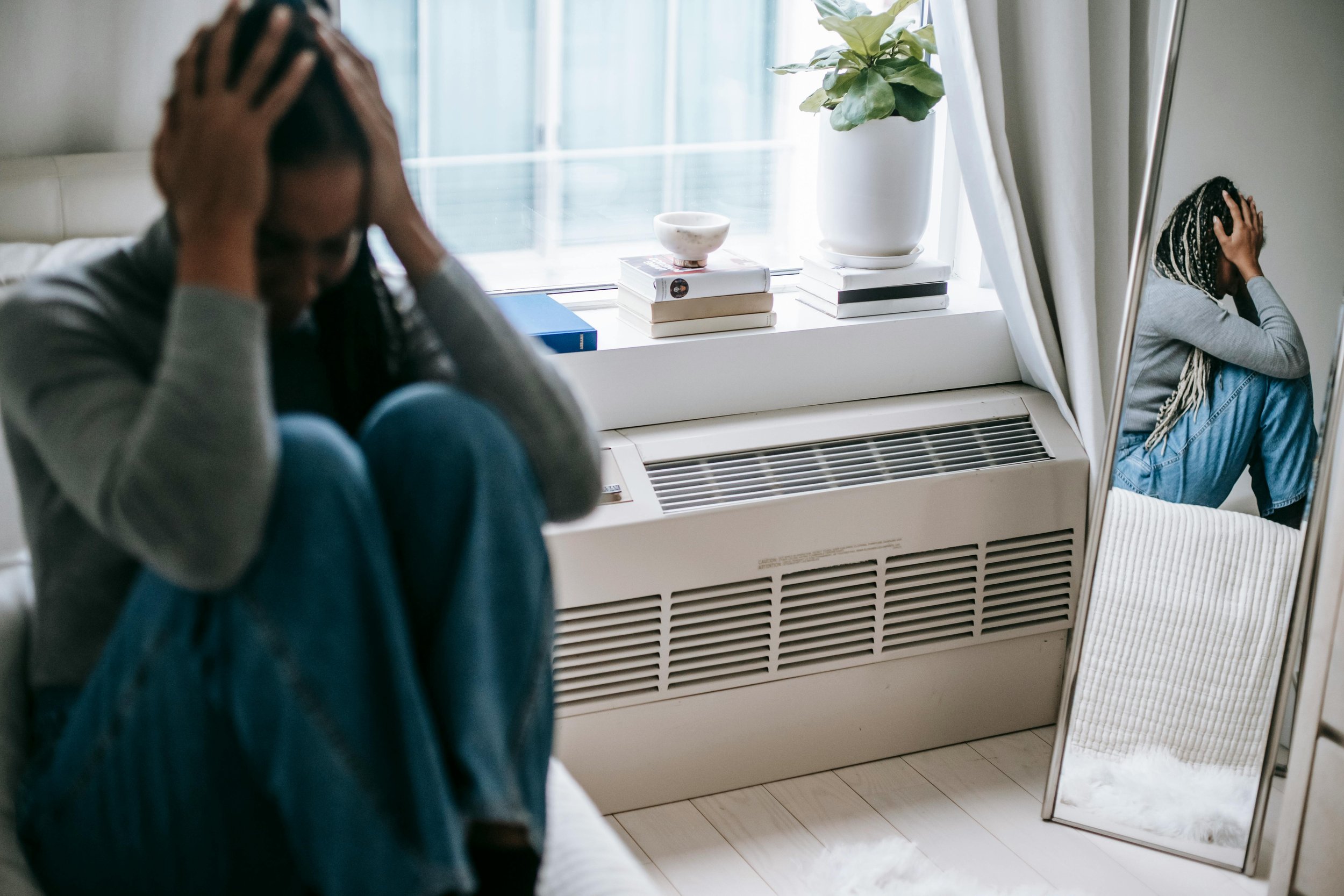
Breathlessness from heart or lung problems usually feels different. It often gets worse with physical activity and better with rest. Anxiety-related breathing issues tend to come and go with your stress levels. If you're unsure, it's best to see a doctor for a proper diagnosis.
The Role of Fight-or-Flight Response
Your body's fight-or-flight response plays a big part in anxiety-related breathing problems. When you're anxious, this response kicks in, making you breathe faster. It's trying to get more oxygen to your muscles, but it can leave you feeling breathless.
Understanding these differences is key to finding the right coping strategies for anxiety-induced shortness of breath. If you experience panic attack symptoms regularly, it's important to seek help. A healthcare professional can guide you through effective treatments and techniques to manage your anxiety.
Healthcare professionals also explore advanced methods to directly counter the body's stress response. For instance, a hyperbaric oxygen chamber addresses the core issue by allowing the body to absorb significantly more oxygen in a pressurized environment, enhancing healing and recovery at a cellular level.
Physiological Effects of Anxiety on Respiration
Anxiety can deeply affect your body, especially how you breathe. When you feel anxious, your body's stress response starts. This leads to changes in how you breathe. Knowing about these changes can help you handle anxiety-related breathing problems better.
When you're anxious, you breathe faster. This fast breathing, called hyperventilation, can make you feel short of breath and tight in the chest. You might breathe quickly and shallowly, using your upper chest instead of your diaphragm.
Anxiety also makes your muscles tense. This tension can tighten the muscles around your airways, making it harder to breathe. Oddly, worrying too much about your breathing can make it feel harder still.
| Physiological Effect | Impact on Respiration |
|---|---|
| Increased breathing rate | Can lead to hyperventilation |
| Muscle tension | May constrict airways, making breathing difficult |
| Heightened awareness | Can make breathing feel more labored |
| Shallow breathing | Reduces oxygen intake, potentially increasing anxiety |
Anxiety's effects on breathing can create a cycle. Faster and shallower breathing can make you feel more anxious. This can then affect your breathing even more. Breaking this cycle is crucial to manage anxiety-related breathing issues.
Coping Strategies for Anxiety-Induced Shortness of Breath
When anxiety makes you feel like you can't breathe, having coping strategies is key. Learning and using these methods can help you control your breathing and lessen anxiety.
Breathing Techniques for Immediate Relief
Using breathing techniques can quickly ease anxiety. Try diaphragmatic breathing by putting one hand on your belly and the other on your chest. Breathe in slowly through your nose, letting your belly expand while keeping your chest still. Then, exhale slowly through pursed lips. This helps calm your nervous system and regulate your breathing.
Long-term Anxiety Management Tips

Cara Canco
For long-term relief, add these tips to your daily life. Regular exercise, like walking or yoga, can lower stress. Mindfulness practices, such as meditation or muscle relaxation, keep you focused on the present. Keeping a journal can help you spot what triggers your anxiety and track your progress.
When to Seek Professional Help
If you're always short of breath or it gets worse, know when to get help. See a healthcare professional if anxiety affects your daily life or if you have severe breathlessness with chest pain or fainting. A mental health expert can offer specific treatments, like therapy, medication, or both, to meet your needs.
Frequently Asked Questions About Anxiety Symptoms
What is anxiety and how does it cause physical symptoms?
Anxiety is a normal feeling of worry or unease. But when it gets too much or stops you from living your life, it's an anxiety disorder. It can make your heart race, muscles tense, and you might sweat or feel like you can't breathe well.
The link between your mind and body in anxiety is strong. Stress hormones like cortisol and adrenaline make you feel like you're in a fight or flight situation. This can make you breathe fast and feel like you can't catch your breath.
How can I tell if my shortness of breath is caused by anxiety or another medical condition?
Shortness of breath from anxiety usually comes with other symptoms like constant worry and a fast heart rate. It happens in certain situations that make you anxious. But, shortness of breath from heart problems gets worse with exercise and gets better when you rest.
Lung issues like COPD or asthma can cause coughing and wheezing. Knowing the difference can help you figure out what's causing it and how to treat it.
What role does the fight-or-flight response play in anxiety-related breathlessness?
The fight-or-flight response is key in making you breathe faster when you're anxious. This is to give your muscles more oxygen. But, breathing too fast can make you feel like you're not getting enough air and your chest might feel tight.
What are some effective breathing techniques for managing anxiety-induced shortness of breath?
To deal with shortness of breath from anxiety, try deep breathing like diaphragmatic or pursed lip breathing. These can help calm you down and control your breathing.
When should I seek professional help for anxiety-related breathing issues?
You should get help if anxiety is really affecting your life or if you're having trouble breathing badly. If you have chest pain, pass out, or other serious symptoms, get help right away. Doctors can offer therapy, medicine, or both, depending on what you need.