

Military Trauma Counseling: Healing and Support for Service Members
Military Trauma Counseling and Therapy
Military trauma counseling and therapy play a crucial role in addressing the emotional and psychological wounds experienced by military personnel. The unique and intense nature of military service can lead to significant mental health challenges, including post-traumatic stress disorder (PTSD), anxiety, and depression. Understanding the impact of military trauma is essential in recognizing the need for specialized treatment in military counseling.
Military personnel often face traumatic events during their service, including combat exposure, witnessing the loss of comrades, and enduring high-stress situations. These experiences can have lasting effects on their well-being and overall mental health. Trauma counseling for military personnel aims to provide a safe and supportive environment where individuals can explore their experiences, process their emotions, and develop effective coping mechanisms.
The need for specialized treatment in military counseling arises from the unique aspects of military trauma. Military personnel may face challenges that differ from those encountered in civilian life, such as prolonged deployments, multiple deployments, and exposure to life-threatening situations. Therefore, tailored approaches are necessary to address the specific needs and experiences of those who have served in the military.
By offering specialized counseling and therapy, mental health professionals can assist military personnel in overcoming the psychological and emotional impact of their service. Through evidence-based interventions and personalized treatment plans, these professionals help individuals navigate the complex effects of military trauma and guide them towards healing, resilience, and improved well-being.
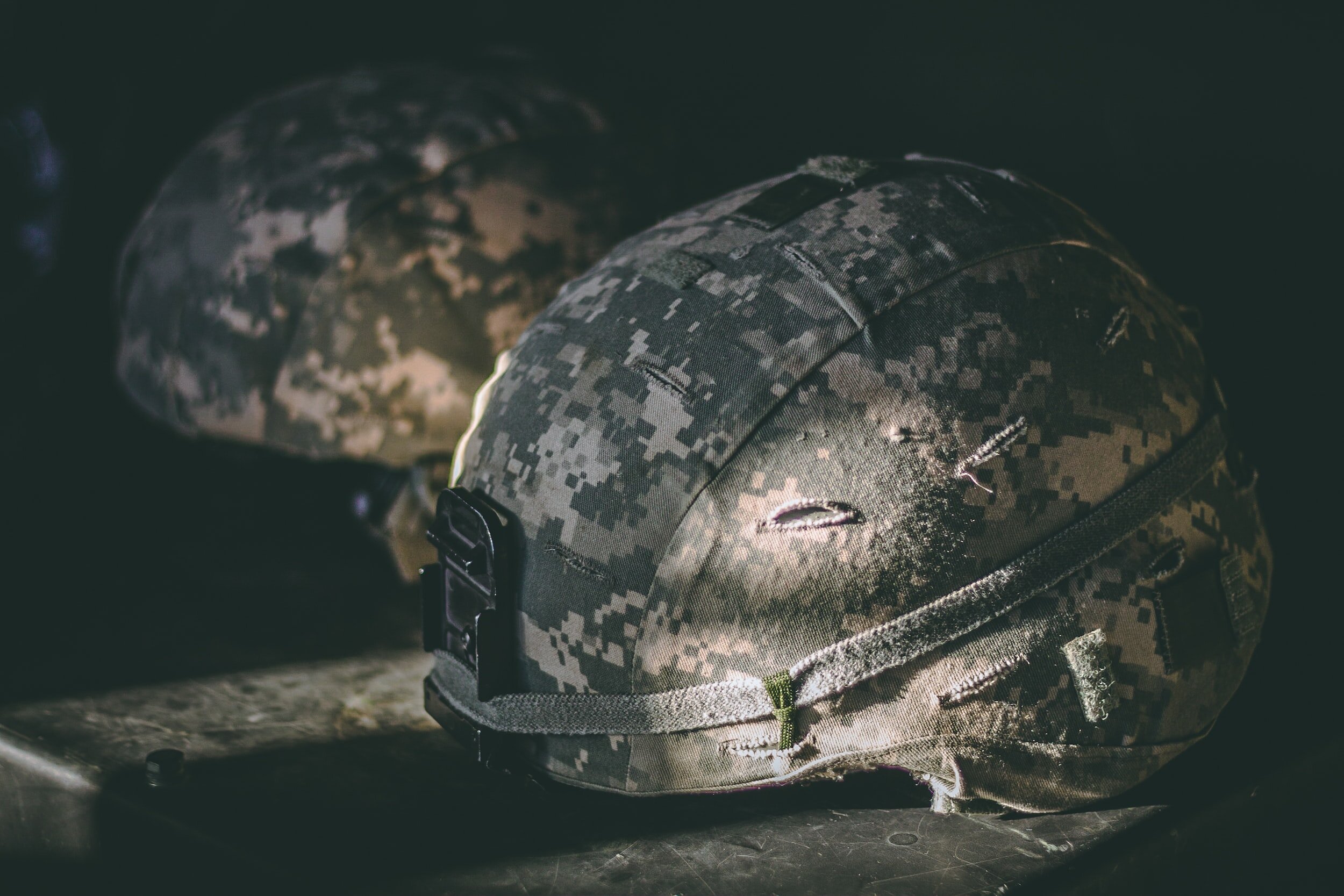
Throughout this article, we will explore various aspects of military trauma counseling and therapy, including different treatment approaches, considerations for specialized care, and the significance of addressing the unique needs of military personnel. By shedding light on these topics, we aim to emphasize the importance of specialized treatment in military counseling and promote understanding and support for those who have bravely served their country.
Types of Military Trauma Requiring Counseling
Military personnel may experience various types of trauma during their service, necessitating specialized counseling interventions to address their unique needs. The following are some of the primary types of military trauma that often require counseling support:
Combat-Related PTSD and the Role of Therapy
Combat-related post-traumatic stress disorder (PTSD) is one of the most prevalent mental health challenges faced by military personnel. It occurs as a result of exposure to traumatic events during combat operations. Symptoms of combat-related PTSD can include intrusive memories, nightmares, hypervigilance, avoidance of triggers, and emotional distress. Therapy plays a crucial role in the treatment of combat-related PTSD, helping individuals process their traumatic experiences, develop coping strategies, and alleviate symptoms to improve their quality of life.
Understanding the Effects of Military Trauma
Military trauma extends beyond combat-related experiences. Service members may also face other forms of trauma, such as moral injury, traumatic brain injuries (TBIs), sexual assault, and harassment. Moral injury refers to the psychological distress that arises from actions or witnessing events that conflict with one's moral or ethical values. Traumatic brain injuries can result from concussions or head injuries during military operations, leading to cognitive and emotional challenges. Sexual assault and harassment can cause severe psychological trauma and require specialized counseling support for affected service members.
TBI clinics in the military use a multidisciplinary approach, involving neurologists, psychiatrists, physical therapists, and other healthcare professionals to treat symptoms like memory loss, concentration issues, headaches, mood swings, and sleep disturbances. These clinics focus on both medical treatment and emotional support.
Support for sexual assault and harassment victims is provided through programs like the U.S. military's Sexual Assault Prevention and Response (SAPR), offering confidential counseling, advocacy, and support. These initiatives aim to ensure safety, privacy, and recovery, fostering a culture of respect and accountability. The military's approach to trauma acknowledges the diverse impacts of trauma and emphasizes holistic support and recovery for service members.
Trauma Counseling for Veterans
Trauma counseling for veterans encompasses a range of therapeutic interventions aimed at addressing the unique needs of those who have served in the military. It involves creating a safe and supportive environment for veterans to explore their traumatic experiences, process their emotions of grief and loss, anger, and develop healthy coping mechanisms. By employing evidence-based approaches such as cognitive-behavioral therapies, eye movement desensitization and reprocessing (EMDR), and alternative therapies like art therapy and mindfulness, trauma counseling for veterans helps individuals navigate the effects of military trauma, restore their well-being, and promote post-traumatic growth.

Recognizing the diverse types of military trauma and the role of therapy in addressing them is essential in providing effective support and care for service members and veterans. By tailoring counseling approaches to the specific traumas experienced, mental health professionals can offer valuable assistance and promote healing and resilience in those who have endured the challenges of military service. Here is a helpful article we put together on the best 10 questions to ask a therapist before starting counseling.
Approaches to Military Trauma Therapy and Counseling
Military trauma therapy and counseling encompass a variety types of counseling approaches and interventions tailored to address the unique needs of service members and veterans. The following are key approaches utilized in military trauma therapy:
Cognitive-Behavioral Therapies for Military Trauma
Cognitive-behavioral therapies (CBT) are widely employed in military trauma counseling due to their effectiveness in treating conditions like PTSD, anxiety and depression. These evidence-based approaches focus on identifying and modifying negative thoughts, emotions, and behaviors associated with traumatic experiences. Key cognitive-behavioral therapies used in military trauma counseling include:
Prolonged Exposure Therapy (PE) for PTSD
PE involves gradually exposing individuals to distressing memories and situations associated with their traumatic experiences. This therapeutic approach aims to reduce avoidance behaviors and facilitate the processing and integration of traumatic memories.
Cognitive Processing Therapy (CPT) in Military Counseling
CPT focuses on helping individuals reframe and challenge unhelpful beliefs and thoughts related to their traumatic experiences. By addressing and modifying cognitive distortions, CPT assists in reducing symptoms of PTSD and promoting adaptive coping strategies.
Eye Movement Desensitization and Reprocessing (EMDR) for Trauma
EMDR incorporates elements of exposure therapy and bilateral stimulation to help individuals process traumatic memories. By utilizing eye movements, taps, or sounds, EMDR aims to alleviate the distress associated with traumatic experiences and promote emotional healing.
Read - Everything You Need To Know About Going To Therapy
Alternative Therapies for Military Trauma Counseling
In addition to cognitive-behavioral therapies, alternative therapeutic approaches have shown promise in military trauma counseling. These therapies provide unique avenues for expression, exploration, and healing. Some notable alternative therapies include:
Equine-Assisted Therapy for Veterans
Equine-assisted therapy involves interactions with horses to promote emotional regulation, enhance self-awareness, and develop healthy relationship skills. This therapy can be particularly beneficial for veterans struggling with trust, emotional connection, and reintegration challenges.
Art Therapy as a Healing Modality
Art therapy utilizes creative processes to help individuals express and process their emotions, thoughts, and experiences. Through various art modalities such as painting, sculpting, and drawing, veterans can explore and communicate their trauma in a non-verbal and symbolic manner.

Yoga and Mindfulness in Military Trauma Therapy
Yoga and mindfulness practices have gained recognition for their potential to reduce stress, promote relaxation, and improve overall well-being. In military trauma therapy, these practices can help veterans develop self-regulation skills, manage symptoms of PTSD, and cultivate a sense of inner calm and stability. One of our favorite holistic therapy practices to recommend in St. Petersburg, Fl is Be Your Best Self and Thrive Counseling.
Medication-Based Approaches in Military Counseling
Medication-based approaches can be beneficial in conjunction with therapy for certain individuals with military trauma. Psychiatric medications may help manage symptoms and improve overall functioning. Some commonly prescribed medications for military trauma include:
Selective Serotonin Reuptake Inhibitors (SSRIs) for PTSD: SSRIs are a class of antidepressant medications that can help alleviate symptoms of PTSD, such as intrusive thoughts, nightmares, and anxiety. They work by increasing serotonin levels in the brain, promoting mood stabilization.
Serotonin-Norepinephrine Reuptake Inhibitors (SNRIs) for Trauma: SNRIs are another type of antidepressant medication used in the treatment of trauma-related conditions. They work by increasing the levels of serotonin and norepinephrine, providing relief from symptoms like depression, anxiety, and chronic pain.
Atypical Antipsychotics in Military Trauma Therapy: Atypical antipsychotics may be prescribed to individuals with severe symptoms of PTSD, particularly those experiencing psychosis or significant emotional dysregulation. These medications help manage symptoms such as hallucinations, delusions, and severe agitation, promoting stability and reducing distress.
Moreover, consulting a neurologist or a psychiatrist who specializes in treating military trauma can provide valuable insights into medication management. These specialists can conduct thorough evaluations to determine the best medication regimen and treatment goals.
In addition to the medications mentioned above, other pharmacological approaches may be considered depending on the specific symptoms and underlying neurobiological mechanisms involved in military trauma. For instance, alpha-adrenergic agonists like prazosin may be prescribed to alleviate nightmares and improve sleep quality by blocking the effects of norepinephrine, which is involved in the stress response.
It's important to note that medication-based approaches should ideally be integrated into a comprehensive treatment plan that includes evidence-based psychotherapy modalities, such as cognitive-behavioral therapy (CBT), prolonged exposure therapy, or eye movement desensitization and reprocessing (EMDR). These therapies can address the underlying psychological and emotional aspects of military trauma while medications help alleviate symptoms and facilitate engagement in therapy.
Furthermore, regular monitoring and adjustments to medication regimens may be necessary to optimize effectiveness and minimize side effects. Close collaboration between mental health professionals, primary care providers, and specialists is essential to ensure coordinated care and holistic support for individuals with military trauma.
Ultimately, the decision to incorporate medication-based approaches into military trauma therapy should be made collaboratively between the individual and their healthcare providers, taking into account factors such as symptom severity, treatment preferences, and overall treatment goals.
When selecting a neurologist or other healthcare professionals, start by gathering referrals from your primary care doctor and others you trust. Choose a specialist with expertise relevant to your condition and verify their credentials and experience. Consider the location for ease of access and confirm if they accept your insurance. Evaluate their communication style during an initial consultation to ensure they're attentive and clear.
Also, review the patient feedback and the quality of the hospital where they practice. This approach will help you find a neurologist suited to your healthcare needs. Don’t forget to ask about the pay scheme to avoid problems.
Complementary and Integrative Therapies for Military Trauma
Complementary and integrative therapies offer additional avenues for healing and support in military trauma counseling. These therapies focus on holistic well-being and incorporate various techniques to address the mind, body, and spirit. Some noteworthy complementary and integrative therapies include:
Acupuncture for Military and Veterans Mental Health: Acupuncture, an ancient Chinese practice, involves the insertion of thin needles into specific points on the body. It can help alleviate symptoms of anxiety, depression, and insomnia commonly associated with military trauma. Acupuncture promotes relaxation, releases endorphins, and restores the body's energy balance. Elevate Wellness St. Pete is one of the best acupuncture clinic’s in St. Pete.

Massage Therapy as a Relaxation Technique: Massage therapy involves the manipulation of soft tissues in the body to promote relaxation, relieve muscle tension, and reduce stress. It can be particularly beneficial for veterans experiencing physical discomfort, sleep disturbances, and emotional distress related to their military trauma.
Herbal Supplements in the Context of Military Counseling: Herbal supplements, such as St. John's Wort, passionflower, and lavender, are sometimes used as complementary treatments for symptoms of military trauma. However, it's essential to consult with healthcare professionals before incorporating herbal supplements into a treatment plan to ensure safety and avoid potential interactions with other medications. Dr. Kim Kuhn of Elevate Wellness St. Pete is specialized in herbal consults and utilizing holistic therapies to reduce symptoms of anxiety, depression, insomnia and much more.
By incorporating these various approaches to military trauma therapy and counseling, mental health professionals can provide a comprehensive and tailored treatment experience for service members and veterans. It is important to consider individual preferences, needs, and the potential benefits and risks associated with each modality when developing an effective treatment plan.
Special Considerations for Military Trauma Therapy and Counseling
Military trauma therapy and counseling require careful consideration of the unique challenges and circumstances faced by military personnel and their families. This section explores important factors and considerations in providing effective support:
Addressing Stigma and Barriers to Treatment for Military Personnel
Overcoming Mental Health Stigma in the Military: Military culture often carries a stigma surrounding mental health concerns, making it challenging for service members to seek counseling. Efforts to combat stigma and promote mental health awareness within the military community are crucial to encourage individuals to seek the support they need without fear of negative repercussions.
Access to Care for Veterans Seeking Counseling: Ensuring accessible mental health care for veterans is essential. It involves addressing barriers such as long wait times, geographical limitations, and lack of resources. Expanding mental health services and implementing initiatives to streamline access can help improve veterans' ability to receive timely and appropriate counseling.
Confidentiality and Privacy Concerns in Military Therapy: Maintaining confidentiality and privacy in military therapy is paramount to establish trust and encourage open communication. Recognizing and addressing concerns related to confidentiality, especially in cases where military personnel may fear potential repercussions or impacts on their career, is essential for effective therapy.
Finding the Best Military Therapist or Counselor
Factors to Consider in Choosing a Military Counselor: When selecting a military therapist or counselor, several factors should be considered. These include the therapist's experience and expertise in working with military trauma, their cultural competency, and their understanding of the unique challenges faced by military personnel.
Qualifications and Expertise of the Best Military Therapists: The best military therapists possess specialized training and experience in treating military trauma. They have a deep understanding of military culture, deployments, and the psychological impact of combat and can tailor their approaches to meet the specific needs of service members and veterans.
Effective Counseling Strategies for Military Trauma: The best military therapists employ evidence-based counseling strategies such as cognitive-behavioral therapies, trauma-focused therapies, and resilience-building approaches. They adapt these strategies to address the unique needs and experiences of military personnel, promoting healing and growth.
Tailoring Treatment for Different Branches of the Military
Army-Specific Trauma Counseling Approaches
Army personnel may face unique challenges related to combat exposure and the demands of military operations. Tailoring trauma counseling approaches to address the specific experiences and needs of Army personnel can lead to more effective treatment outcomes.
Navy-Specific Therapeutic Techniques
Sailors and Navy personnel may confront distinct stressors and challenges associated with deployments, separation from family, and maritime operations. Therapeutic techniques that acknowledge and address these unique circumstances can support the healing process.
Air Force Trauma Counseling Strategies
Air Force personnel may experience specific traumatic events related to aviation operations, deployment to air bases, or high-pressure situations. Designing trauma counseling strategies that consider these experiences can enhance the effectiveness of therapy.
Marines' Unique Needs in Military Therapy
Marines face unique demands characterized by intense combat experiences and a strong sense of camaraderie. Military therapy for Marines should address their specific challenges, including combat-related trauma and the transition to civilian life.
Supporting Military Families in the Healing Process
Impact of Military Trauma on Spouses and Children: Military trauma can have a profound impact on the well-being of spouses and children. Recognizing the challenges faced by military families and providing support and resources to address their needs is essential in promoting healing and resilience.
Family Therapy and Support Groups for Military Families: Family therapy can help military families navigate the effects of trauma together, fostering communication, understanding, and healthy coping strategies. Support groups specifically tailored to military families create a sense of community and provide a safe space for sharing experiences and finding support among individuals who can relate to the unique challenges faced by military families.
Strengthening Family Bonds Through Counseling: Military trauma therapy can incorporate interventions that focus on strengthening family bonds. By involving family members in the healing process, therapy can promote effective communication, enhance resilience, and foster a supportive environment that aids in the recovery of both the service member and their loved ones.
Erin Satterlee, a skilled therapist at Sunshine City Counseling, specializes in working with first responders and military personnel. With her expertise and experience, she provides compassionate and effective counseling services tailored to the unique needs of those who have experienced military trauma. Erin understands the intricacies of military culture, the challenges faced by service members, and the importance of a personalized approach to therapy as a former policeman, herself.
By addressing special considerations in military trauma therapy and counseling, professionals can create a supportive and effective treatment environment. Through targeted strategies, collaboration, and a deep understanding of the military experience, mental health providers can play a crucial role in helping service members, veterans, and their families heal from the impact of military trauma.
Innovative Approaches and Emerging Research in Military Trauma Therapy
As the field of mental health continues to evolve, innovative approaches and emerging research are paving the way for new possibilities in military trauma therapy. The following are some cutting-edge interventions showing promise in the treatment of military trauma:
Virtual Reality Therapy in Military Counseling
Virtual reality (VR) therapy is an immersive technology that creates realistic simulated environments. In military counseling, VR therapy is being utilized to recreate combat scenarios or triggering situations, allowing individuals to confront and process traumatic memories in a controlled and safe environment. By exposing service members to virtual environments resembling their traumatic experiences, VR therapy aims to reduce anxiety and enhance emotional healing.
MDMA-Assisted Psychotherapy for PTSD
MDMA-assisted psychotherapy involves the controlled use of the medication MDMA, commonly known as ecstasy, in combination with psychotherapy sessions. This approach is being explored as a potential treatment for post-traumatic stress disorder (PTSD) in military personnel. MDMA has shown promise in facilitating emotional openness, increasing feelings of trust and empathy, and reducing fear and defensiveness. When combined with psychotherapy, it may enhance the therapeutic process and help individuals process traumatic memories.
Transcranial Magnetic Stimulation (TMS) for Trauma
Transcranial magnetic stimulation (TMS) is a non-invasive procedure that uses magnetic fields to stimulate specific areas of the brain. In the context of trauma treatment, TMS is being investigated as a potential intervention for reducing symptoms of PTSD. By modulating brain activity in regions associated with emotional regulation and trauma processing, TMS aims to alleviate symptoms such as intrusive thoughts, hyperarousal, and negative mood. At Sunshine City Counseling, we have had clients go through TMS and found significant improvement in their depression. We highly recommend working with Advantage Mental Health in Clearwater, Florida. Most of the time, insurance covers TMS treatment so it is readily accessible.
These innovative approaches are still undergoing research and refinement. While initial findings show promise, further studies and clinical trials are necessary to establish their efficacy and safety in the context of military trauma therapy. Mental health professionals and researchers continue to explore these and other emerging interventions to expand the range of options available for service members and veterans in their healing journey.
The Role of Community Support and Peer Networks in Military Trauma Counseling
In addition to professional counseling and therapy, community support and peer networks play a vital role in the healing and recovery process for military personnel experiencing trauma. These resources provide a sense of camaraderie, understanding, and shared experiences, fostering a supportive environment where individuals can find solace and encouragement. The following are key aspects of community support in military trauma counseling:
Veterans Service Organizations (VSOs) Providing Counseling
Veterans Service Organizations (VSOs) are dedicated to supporting the well-being of military personnel and veterans. Many VSOs offer counseling services specifically tailored to address the unique challenges faced by service members. These organizations provide a range of resources, including mental health counseling, peer support, advocacy, and assistance with accessing benefits and services. VSOs serve as valuable community-based platforms that connect individuals with specialized support networks.
Peer Support Programs for Military Personnel

Peer support programs are designed to connect military personnel with fellow service members who have experienced similar traumas or challenges. These programs create opportunities for peer-to-peer mentoring, sharing of coping strategies, and providing emotional support. By engaging with peers who have navigated similar experiences, individuals can find comfort, validation, and a sense of belonging within a community that understands their unique circumstances.
Veteran Support Groups and their Role in Healing
Veteran support groups bring together individuals who have served in the military and experienced trauma. These groups provide a safe and confidential space for veterans to share their stories, discuss challenges, and receive support from others who can relate to their experiences. Support groups offer a sense of community, encourage mutual understanding, and foster a non-judgmental environment where participants can find acceptance and encouragement.
The role of community support and peer networks in military trauma counseling cannot be overstated. These resources complement professional therapy by offering additional avenues of connection and support. They provide an opportunity for individuals to build resilience, develop coping skills, and share their journey with others who have walked a similar path.
Summary and Key Takeaways from Military Trauma Therapy
Military trauma therapy is a specialized field that aims to address the unique challenges faced by military personnel and veterans who have experienced trauma. Throughout this article, we have explored various aspects of military trauma counseling and therapy. Here is a summary of the key takeaways:

Erin Satterlee
Registered Mental Health Counselor Intern
Effective Counseling Approaches: Cognitive-behavioral therapies, such as Prolonged Exposure Therapy (PE) and Cognitive Processing Therapy (CPT), along with alternative therapies like Equine-Assisted Therapy and Art Therapy, have shown promise in treating military trauma. Medication-based approaches, such as Selective Serotonin Reuptake Inhibitors (SSRIs) and Serotonin-Norepinephrine Reuptake Inhibitors (SNRIs), as well as complementary and integrative therapies like acupuncture and massage therapy, can also be beneficial.
Importance of Seeking Help for Military Trauma: It is essential for military personnel and veterans to recognize the importance of seeking help for military trauma. Overcoming stigma, accessing appropriate care, and addressing confidentiality concerns are crucial steps in receiving the support needed for healing. Finding the best military therapist or counselor who understands the unique experiences and challenges of military life can significantly enhance the effectiveness of therapy.
Erin Satterlee at Sunshine City Counseling: Erin Satterlee, a skilled therapist at Sunshine City Counseling in St. Petersburg, FL, specializes in working with first responders and military personnel. Her expertise and experience make her well-suited to provide compassionate and effective counseling services tailored to the unique needs of those who have experienced military trauma. To learn more and schedule a free session with Erin Satterlee, individuals can reach out to Sunshine City Counseling.
By understanding the impact of military trauma, exploring different therapeutic approaches, addressing special considerations, and utilizing community support and peer networks, individuals can embark on a path of healing and recovery. Seeking help is not a sign of weakness but rather a courageous step toward reclaiming one's well-being and finding strength in the face of adversity.
Remember, there is hope and support available. Reach out to professionals like Erin Satterlee at Sunshine City Counseling to take the first step on your journey towards healing from military trauma.
Frequently Asked Questions (FAQs) about Military Trauma Counseling
What is military trauma, and how does counseling help?
Military trauma refers to the psychological and emotional distress experienced by military personnel as a result of their service-related experiences, such as combat, deployment, or witnessing traumatic events. Counseling plays a crucial role in helping individuals process their traumatic experiences, manage symptoms, and develop coping strategies. It provides a safe and supportive space for individuals to express their emotions, gain insights into their thoughts and behaviors, and work towards healing and recovery.
How common is PTSD among military personnel?
Post-Traumatic Stress Disorder (PTSD) is a common mental health condition among military personnel, particularly those who have been exposed to combat or other traumatic events. The prevalence of PTSD varies depending on factors such as deployment history, combat exposure, and personal resilience. It is estimated that around 10-20% of military personnel may experience PTSD during their lifetime.
What are the most effective therapies for military trauma?
Several therapies have shown effectiveness in treating military trauma, including cognitive-behavioral therapies like Prolonged Exposure Therapy (PE) and Cognitive Processing Therapy (CPT). Other approaches such as Eye Movement Desensitization and Reprocessing (EMDR) and alternative therapies like art therapy and equine-assisted therapy have also been beneficial. The choice of therapy depends on individual needs and preferences, and it is important to work with a qualified therapist to determine the most suitable approach.
Are there any natural remedies that can help with military trauma symptoms?
While counseling and evidence-based therapies are the primary recommended treatments for military trauma, some individuals may find complementary and alternative approaches helpful as adjuncts to therapy. Techniques like mindfulness, yoga, and relaxation exercises can assist in managing stress and promoting overall well-being. However, it is essential to consult with healthcare professionals before trying any natural remedies to ensure their safety and appropriateness.
How long does military trauma therapy typically take?
The duration of military trauma therapy varies depending on individual circumstances and needs. Some individuals may experience significant improvement in a relatively short period, while others may require longer-term therapy. The therapeutic process is tailored to each person's progress, and the therapist will work collaboratively to determine the appropriate duration and frequency of therapy sessions.
Can military trauma be completely cured?
While it is possible for individuals to experience significant healing and improvement through therapy, the effects of military trauma may vary from person to person. Complete "cure" is not always the goal, but rather achieving a level of recovery where symptoms are manageable, quality of life is improved, and individuals can effectively cope with their experiences. Therapy aims to provide tools and strategies to navigate and integrate the trauma into one's life in a healthier way.
What can I do to support a loved one with military trauma?
Supporting a loved one with military trauma requires empathy, patience, and understanding. Encourage them to seek professional help, provide a listening ear without judgment, and educate yourself about military trauma to better comprehend their experiences. Be supportive and respect their boundaries while offering your presence and reassurance. Supporting them in connecting with support groups or veteran organizations can also be beneficial.
Is military trauma limited to combat experiences?
No, military trauma can encompass a range of experiences beyond combat. Military personnel may also face trauma from non-combat situations such as accidents, injuries, or witnessing traumatic events. Trauma can result from a variety of circumstances associated with military service, and counseling is available to address the diverse range of experiences encountered by service members.
It's important to remember that seeking help is a sign of strength, and there is support available for those experiencing military trauma. By accessing counseling services, individuals can gain valuable tools, coping strategies, and a safe space to process their experiences. If you or someone you know is struggling with military trauma, reach out to a trusted professional for assistance.
Military trauma counseling is designed to address the unique needs of service members and veterans, helping them navigate the challenges associated with their experiences. Through effective therapies, community support, and understanding, individuals can find hope, healing, and resilience in their journey towards recovery.
Remember, you don't have to face military trauma alone. Reach out for support and embark on the path towards healing and well-being.


Praesent id libero id metus varius consectetur ac eget diam. Nulla felis nunc, consequat laoreet lacus id.