

Gut Health and Inflammation: A Guide to Understanding the Connection
In recent years, there has been a growing awareness of the critical role that gut health plays in maintaining overall well-being. One particular aspect that has garnered significant attention is the intricate relationship between gut health and inflammation. In this comprehensive guide, we delve deep into this connection, exploring the mechanisms, factors, and strategies to promote a healthy gut and reduce inflammation.
The Gut-Health Connection
The human gut is home to a complex ecosystem of microorganisms, collectively known as the gut microbiota. This bustling community of bacteria, viruses, fungi, and other microorganisms plays a pivotal role in various physiological processes, including digestion, metabolism, and immune function. An imbalance in the composition of this microbiota, known as dysbiosis, can lead to a cascade of health issues, including inflammation.
What is Inflammation?
Inflammation is a natural response by the immune system to protect the body from harmful stimuli such as pathogens, injuries, or toxins. However, when inflammation becomes chronic and systemic, it can contribute to the development of numerous chronic diseases, including cardiovascular diseases, autoimmune disorders, and even certain types of cancer. This is where the gut comes into play.
The Gut Microbiota's Impact on Inflammation
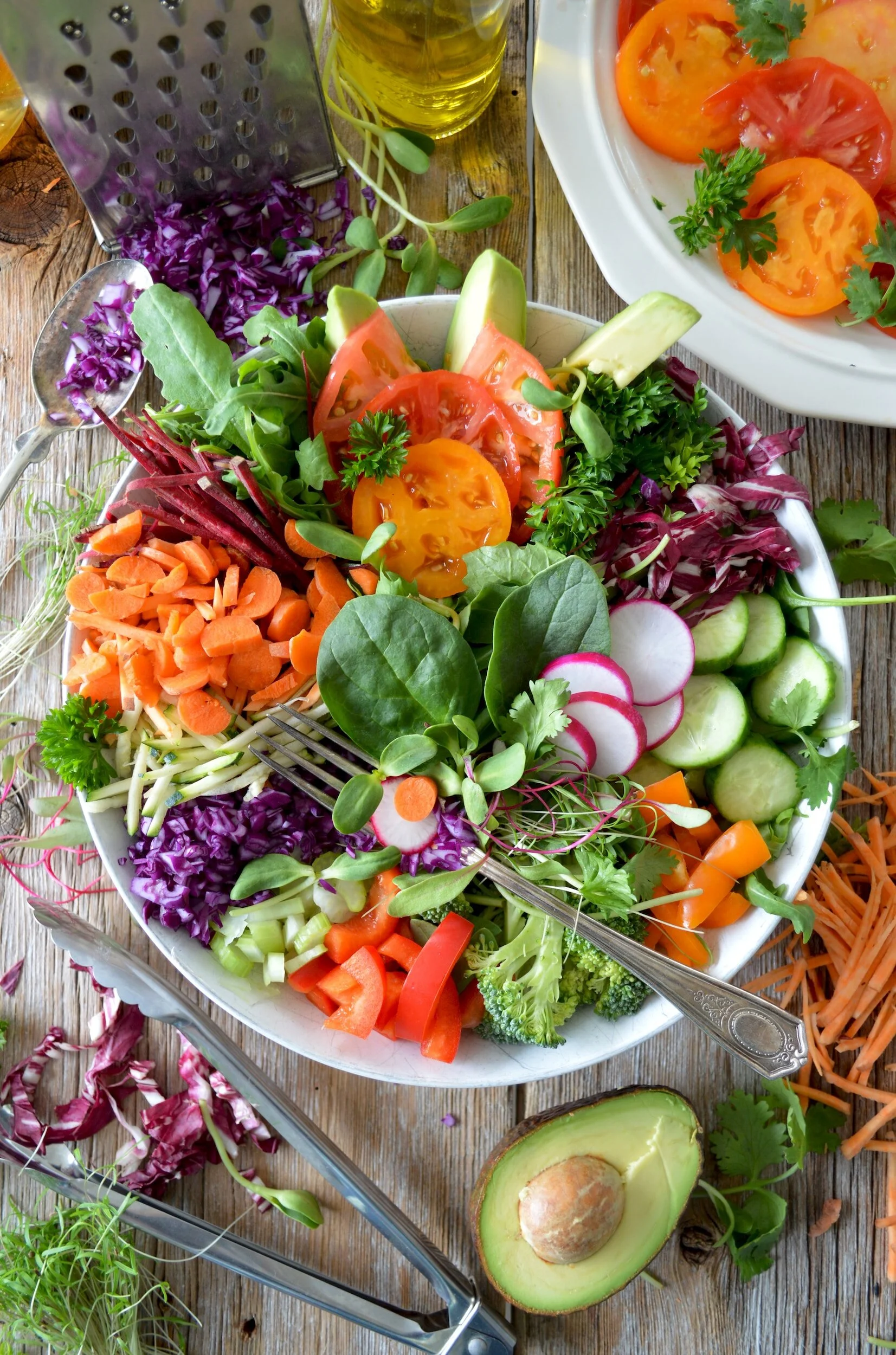
Emerging research has illuminated the intricate interplay between the gut microbiota and the immune system, shedding light on how dysbiosis can contribute to chronic inflammation. When the balance of beneficial and harmful microorganisms in the gut is disrupted, it can lead to a phenomenon known as "leaky gut." This condition involves the compromised integrity of the gut lining, allowing harmful substances to enter the bloodstream and trigger an immune response, thus fueling inflammation.
Dietary Factors and Gut Health
Diet plays a pivotal role in shaping the composition of the gut microbiota. A diet rich in fiber, prebiotics, and probiotics promotes the growth of beneficial microorganisms that contribute to a balanced gut ecosystem. On the other hand, a diet high in processed foods, refined sugars, and unhealthy fats can disrupt this delicate balance and foster inflammation.
5 Effective Strategies for Promoting Gut Health and Reducing Inflammation
Maintaining optimal gut health is a cornerstone of overall well-being. The gut is not only responsible for digestion but also plays a crucial role in influencing various aspects of our health, including our immune system and inflammation levels. In this comprehensive guide, we will explore seven powerful strategies that can help you promote gut health and reduce inflammation for a healthier and more vibrant life.
1. Probiotic-Rich Foods
When it comes to maintaining a healthy gut, probiotics take center stage. These live microorganisms offer a plethora of health benefits when consumed in the right quantities. By restoring the delicate balance of your gut microbiota, probiotics play a crucial role in enhancing digestion, bolstering your immune system, and reducing inflammation.
Yogurt: This dairy delight is a classic source of probiotics. Opt for plain, unsweetened yogurt containing live cultures for maximum benefits.
Kefir: A fermented dairy product similar to yogurt, kefir offers a tangy flavor and a diverse range of beneficial bacteria.
Sauerkraut: This fermented cabbage dish not only adds a burst of flavor but also introduces a wealth of probiotics to your diet.
Kimchi: A staple in Korean cuisine, kimchi is a spicy fermented vegetable dish teeming with probiotics.
2. Embrace a Diverse Diet: Feeding Your Microbiota
The old adage "you are what you eat" couldn't ring truer when it comes to your gut health. The food you consume directly influences the diversity and composition of your gut microbiota, which plays a pivotal role in your overall well-being. By adopting a diet rich in a wide variety of nutrient-dense foods, you provide your gut with the necessary building blocks to support a flourishing community of beneficial bacteria. This dietary strategy not only fosters a harmonious ecosystem within your gut but also contributes to the reduction of inflammation.
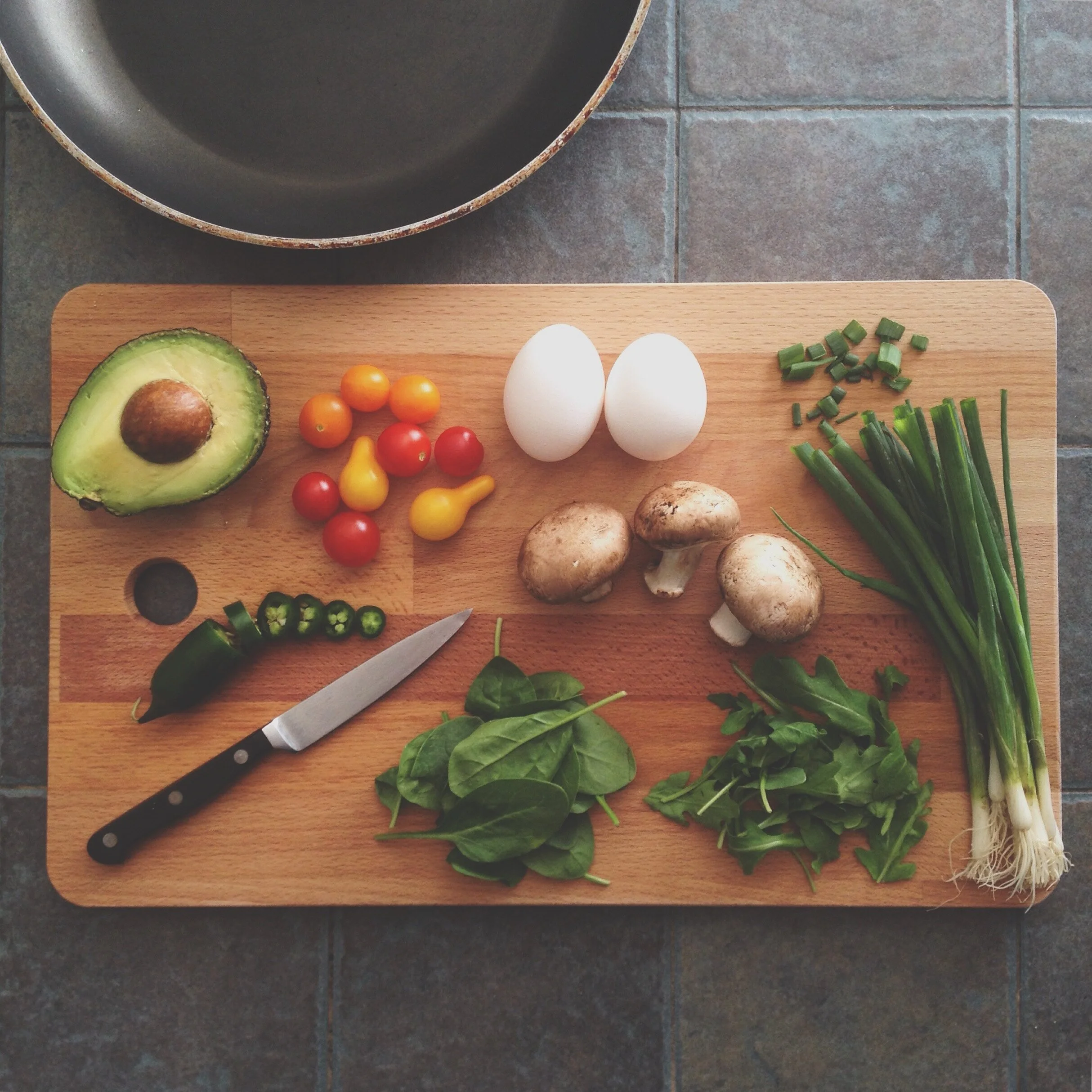
Colorful Fruits and Vegetables: Incorporate an array of colorful produce into your meals. Vibrant hues often signify a rich content of vitamins, minerals, antioxidants, and fiber – all of which contribute to a well-nourished gut.
Whole Grains: Swap refined grains for whole grains like quinoa, brown rice, and whole wheat. These grains provide complex carbohydrates that act as a fuel source for beneficial bacteria.
Lean Proteins: Opt for lean protein sources such as poultry, fish, legumes, and tofu. These proteins provide essential amino acids that are utilized by both your body and your gut microbes.
Healthy Fats: Include sources of healthy fats like avocados, nuts, seeds, and olive oil. These fats support the absorption of fat-soluble vitamins and offer anti-inflammatory properties.
Fermented Foods: Similar to probiotics, fermented foods like yogurt, kefir, kimchi, and miso introduce beneficial bacteria directly into your gut, contributing to a thriving microbiota.
3. Fiber-Rich Foods: Nourishing Your Gut Microbiota
In the realm of gut health, fiber emerges as a nutritional superstar with the ability to foster a thriving community of beneficial bacteria. Serving as a vital prebiotic, fiber is a non-digestible dietary component primarily found in plant-based foods. By incorporating fiber-rich options such as whole grains, legumes, fruits, and vegetables into your diet, you provide the sustenance required for these bacteria to flourish. As they thrive, they generate short-chain fatty acids, which not only contribute to a healthier gut lining but also play a pivotal role in mitigating inflammation.
Whole Grains: Opt for whole grains like oats, quinoa, and whole wheat. These grains are brimming with fiber, offering a sustained source of energy while nurturing your gut microbiota.
Legumes: Beans, lentils, and chickpeas are excellent sources of both fiber and plant-based protein. They're a versatile addition to salads, soups, and hearty main dishes.
Fruits: Berries, apples, pears, and oranges are among the fruits rich in soluble and insoluble fiber. These fruits not only satisfy your sweet tooth but also provide essential nourishment for your gut bacteria.
Vegetables: Leafy greens, broccoli, carrots, and bell peppers are just a few examples of vegetables abundant in fiber. Aim to include a colorful variety in your meals for maximum benefits.
4. Managing Stress and Symptoms of Anxiety
Chronic stress can take a toll on your gut health, disrupting the delicate balance of your microbiota and exacerbating inflammation. The gut-brain axis, a bidirectional communication system between the gut and the brain, plays a significant role in this connection. Mindfulness practices, yoga, meditation, and deep-breathing exercises are powerful tools to manage stress and positively impact gut health. By keeping stress levels in check, you support a more balanced and resilient gut ecosystem.
5. Stay Active: Exercise for Gut Health
Engaging in regular physical activity offers numerous benefits, and maintaining gut health is one of them. Exercise has been shown to positively influence the composition and diversity of the gut microbiota. It can enhance the growth of beneficial bacteria while reducing the abundance of harmful ones. This shift in microbial balance contributes to lower levels of inflammation throughout the body, supporting your overall well-being.
Incorporating these seven strategies into your daily routine can have a profound impact on your gut health and inflammation levels. By nurturing a diverse gut microbiota through probiotic supplementation, consuming a varied diet rich in fiber, managing stress, staying hydrated, using antibiotics responsibly, and engaging in regular exercise, you empower your body to function optimally. Remember, the health of your gut extends beyond digestion, influencing your entire well-being.
The Road to Well-being: A Harmonious Gut

Laura Wood
If you're on a journey to reduce inflammation and improve your gut health, collaborating with our licensed dietitian Laura Wood in St. Petersburg, FL, could be a transformative step. With her expertise, you'll begin on a personalized wellness journey tailored to your unique needs. Laura’s guidance goes beyond generic advice, offering a holistic approach that addresses your specific concerns. Through evidence-based strategies, she'll help you make informed dietary choices, incorporate inflammation-reducing foods, and enhance your gut health in addition to improving the mind-body connection for overall health and wellness. With Laura's support, you'll have a dedicated partner in achieving your health goals and enjoying a vibrant, inflammation-free life.
In conclusion, the intricate relationship between gut health and inflammation underscores the significance of maintaining a balanced gut microbiota. By nurturing your gut through a mindful diet, probiotic supplementation, stress management, and healthy lifestyle choices, you can pave the way for overall well-being and mitigate the risks associated with chronic inflammation.


Vivamus pellentesque vitae neque at vestibulum. Donec efficitur mollis dui vel pharetra.