

CBD for Senior Sleep Disorders: Improving Sleep Quality
Many seniors struggle with consistent, restorative sleep, impacting their health and energy. Poor sleep can leave a lasting imprint, draining energy and compounding health concerns. Among the remedies getting attention is CBD, a natural compound known for its calming effects. But is it a genuine solution for seniors' sleep woes? As we explore the link between CBD and sleep, we'll examine whether this popular remedy can meet the hopes of those seeking rest.
Understanding sleep disorders in seniors
As many older adults will attest, sleep is not always quite that easy. Tossing and turning, early awakenings, or feeling unrefreshed are among the common complaints. This repetitive poor sleep becomes more than a simple nuisance. It touches everything from mood to long-term health. Understanding the connection between sleep quality and overall well-being is essential—a topic explored thoroughly by Healthnews. Let's take a closer look at some common sleep disorders seniors face and why they really matter
Common sleep disorders in seniors:
Insomnia ranks among the most common sleep-related complaints. It can manifest as difficulty in falling asleep, staying asleep, or waking up too early.
Sleep apnea: individuals with this sleep disorder suddenly stop breathing in their sleep.
Restless legs syndrome is usually marked by uncomfortable leg sensations at night. This is often accompanied by a relentless urge to move the legs.
With increasing age, our sleep becomes lighter and more fragmented. Research shows that this is partly because of age-related shifts in our internal body clock, known as circadian rhythms. This makes falling asleep and staying asleep more challenging.

Chronic health conditions like arthritis or breathing issues add discomfort. Also, medications for common issues like blood pressure or pain can disrupt rest. This is because of side effects like wakefulness or frequent bathroom trips. Together, these factors reshape how—and how well—we sleep.
The impact of poor sleep on health
The significance of sleep goes beyond rest, for it’s the foundation of good health. Disturbances in sleep have repercussions that echo in many other dimensions of life. For seniors, the stakes are even higher since poor sleep can exacerbate age-related difficulties. Here are some of the impacts research has repeatedly demonstrated:
Cognitive function: When older adults do not get good-quality sleep, memory loss is accelerated, and thought processes are slowed down. Over time, this can evidently increase the risk of developing dementia.
Emotional health: sleep deprivation amplifies anxiety and depression, creating a self-reinforcing cycle. Poor rest lowers emotional resilience, making it difficult to deal with the smallest everyday problems.
Physical health: Research shows that persistent inadequate rest can weaken the immune system's defenses. This consequently reduces your body's ability to ward off illness. Individuals also become more at risk of developing diseases that are already more prevalent with aging.
Energy and daily functioning: without adequate sleep, energy levels plummet. Tasks that once felt manageable can seem overwhelming. Fatigue from poor sleep can also increase the risk of falls and injuries.
The role of CBD in promoting sleep
The human body has its own innate sleep regulation system: the endocannabinoid system. Think of it as an internal regulator for sleep. It helps your body recognize when it needs to be awake and when the time for rest is due.
The ECS uses receptors such as CB1 and CB2, among other natural compounds like anandamide and 2-AG, to maintain the stability of sleep. Anandamide, for example, regulates deep, restorative sleep. 2-AG balances the dream-heavy stages of sleep known as rapid eye movement, or REM.
Of the hundreds of natural compounds from the cannabis plant, CBD uniquely interacts with the body's sleep system. Unlike THC—the chemical responsible for giving a "high"—CBD is non-psychoactive.
CBD has an indirect impact on the ECS. It blocks the enzyme responsible for breaking down anandamide. This aims to prolong the compound's potential to produce calming effects. Think of it as increasing the "lifespan" of anandamide. This gives your body some time to work into deeper states of relaxation. CBD also interacts with serotonin and adenosine receptors, which promote sleep-related calmness.
That said, science is still catching up. Some studies suggest that higher doses of CBD may help improve sleep quality. This is achieved by increasing total sleep time and reducing sleep latency (the time it takes to fall asleep).
For other disorders such as RLS or sleep apnea, the evidence is limited. CBD seems to be a promising intervention to improve sleep. More research is needed to understand its true potential as a sleep aid.
CBD for specific sleep disorders
CBD stands out as an increasingly explored natural option for improving sleep quality. Its effects, however, depend on the type of sleep disturbance. Let’s look at how it might help with common issues:
Insomnia
For those tossing and turning with anxiety-driven insomnia, CBD shows potential. Studies suggest it may shorten the time it takes to fall asleep and improve sleep quality. Some individuals report fewer nighttime awakenings and deeper rest. However, the results vary widely and rely heavily on self-reported findings. As such, larger-scale studies are needed to confirm the true effectiveness of CBD.
Sleep apnea
CBD’s role in sleep apnea is less clear. It may indeed help reduce anxiety or daytime fatigue associated with the condition. Nonetheless, studies suggest that CBD has little effect on breathing patterns during sleep. Trials are underway to determine its potential therapeutic effects. But to this day, CBD is not a proven treatment.
Restless legs syndrome (RLS)
The evidence for CBD’s effects on RLS is sparse. Anecdotal reports suggest that it has sedative and anxiety-reducing effects. Some people may find that CBD helps with symptoms related to tension or stress. Yet, studies have not provided enough data to prove its efficacy for tackling the syndrome thus far.
CBD dosage and administration for sleep
When it comes to dosing, there is no universal standard yet. The best CBD for elders aiming to improve sleep varies from person to person. Various studies suggest the following ranges:
Low doses of 25–50 mg are often effective for mild sleep disturbances or for individuals new to CBD.
Moderate doses of 75–150 mg promote deeper relaxation. They are especially useful for improving sleep and managing mild to moderate disturbances.
Higher doses of 150–300 mg improve total sleep time and sleep quality. This is most evident in anxiety-related insomnia. However, doses above this range may not yield extra benefits. In fact, they could inversely have diminished effects.
The key is to start low and go upward, depending on your body's reaction. Always consult with a healthcare provider, especially if you take other medications.
Methods of administration:
Oral: Capsules or gummies are convenient but take longer to work (30–60 minutes).
Sublingual: Oils or tinctures absorbed under the tongue act within 15–30 minutes. This makes them a popular choice for those seeking quicker effects.
Topical: This is primarily used for localized pain. Nonetheless, some seniors find that topical CBD helps in promoting relaxation.
Choosing a high-quality CBD product
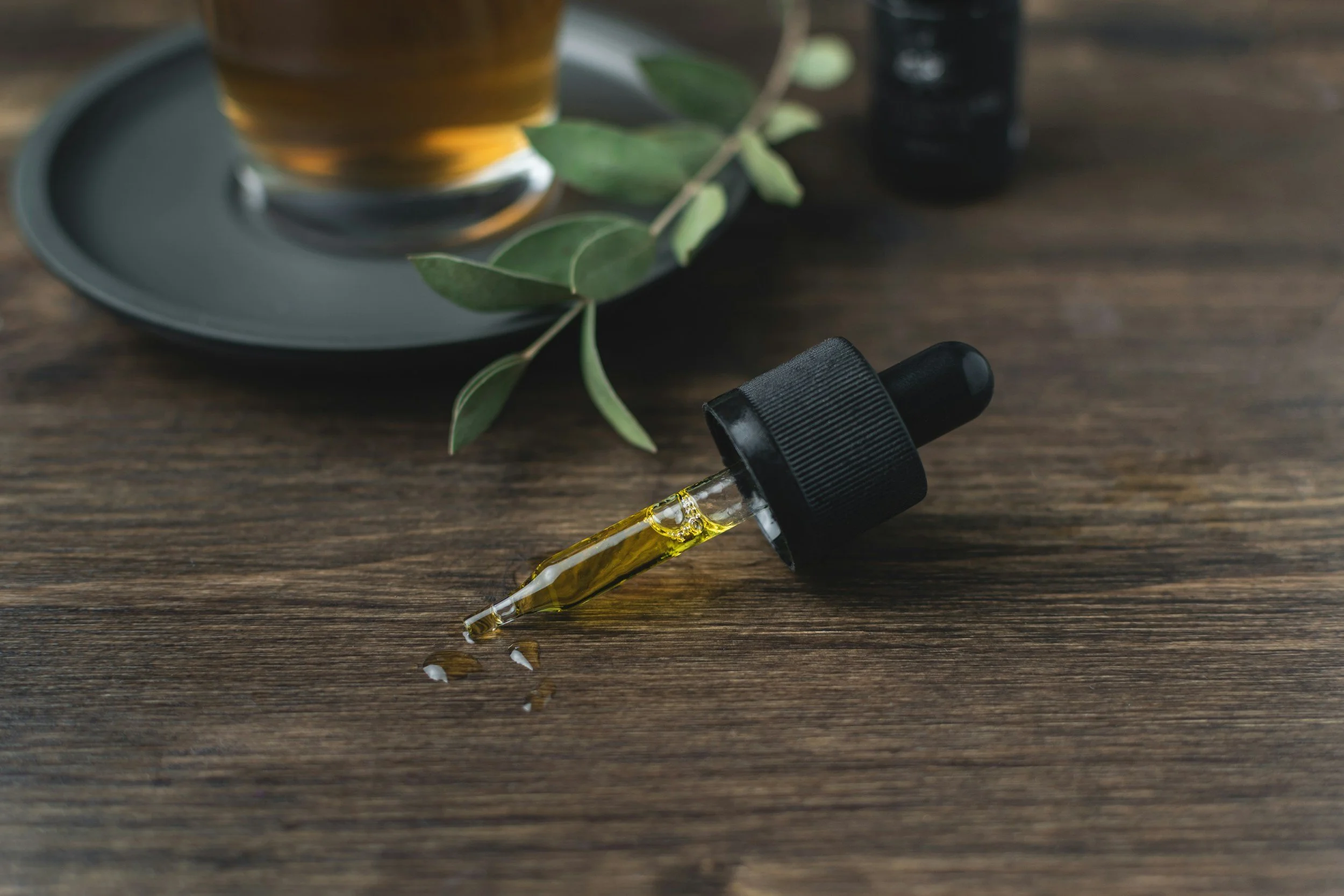
Not all CBD products are created equal, so quality matters. Opt for full-spectrum or broad-spectrum CBD that contains several cannabinoids. These terpenes create what is called the "entourage effect." This is a synergistic boost that might help raise overall effectiveness.
It's important to avoid products with unclear labeling or that contain unnecessary additives. They could compromise the safety and effectiveness of the CBD itself.
Safety and side effects of CBD for sleep
CBD is generally well-tolerated. Nonetheless, you should be mindful of its side effects and interactions.
Common side effects
Research shows that most people experience mild effects, but here are a few to watch for:
Drowsiness: Helpful at bedtime, but larger doses might make you a little too groggy during the day.
Dry mouth is a common effect, and you can manage it by remaining hydrated.Digestive issues: Nausea or diarrhea can occur, but they're generally rare side effects.
Appetite changes: CBD might make you hungrier—or less so—depending on your body’s response.
Interactions with other medications
CBD interacts with liver enzymes such as CYP3A4 and CYP2C19. These are vital for metabolizing many medications. Studies warrant that this can lead to altered drug levels in the bloodstream. This can potentially increase or decrease the effects of these medications.
Key interactions include:
Anti-epileptics: CBD can increase the effect of medications like clobazam. Hence, a healthcare professional should monitor the treatment with great attention.
Sedatives: CBD increases the level of sleepiness, which might cause excessive daytime tiredness.
Blood thinners: CBD might enhance the effects of these medications, which may increase the risk of bleeding.
Precautions to consider:
Liver health: CBD can elevate liver enzyme levels at higher doses. Those with liver conditions should use it cautiously and consider regular monitoring.
Older adults: Dizziness and drowsiness can increase the risk of falls. As such, doses may need careful adjustment.
Pregnancy and breastfeeding: CBD’s safety in these situations has not been established. Therefore, it’s best to avoid it.
Before adding CBD to your regimen, talk to your healthcare provider. They will be able to counsel you on dosage and monitor for interactions. They will also help ensure that CBD integrates safely into your health plan.
A final thought
CBD offers intriguing potential for improving sleep in seniors. While research remains inconclusive, its calming effects show potential for easing sleepless nights. Consult with a healthcare provider to explore if CBD fits into your path to better sleep. Restful nights are worth the effort and the conversation.